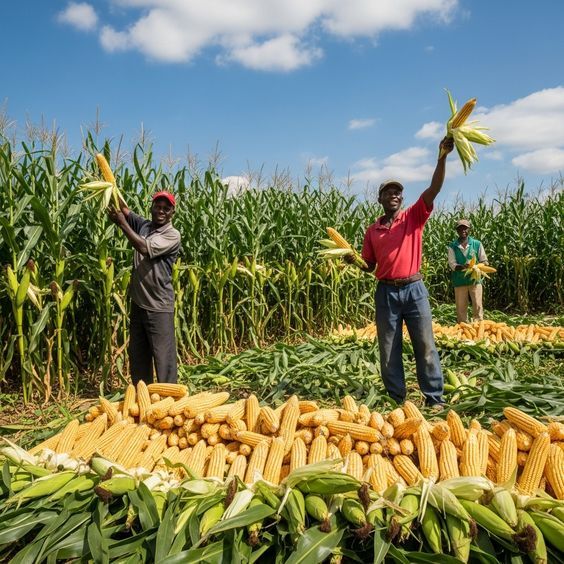
Top 10 Profitable Agricultural Businesses You Can Start in Nigeria.
Introduction
Nigeria’s agricultural sector is experiencing a remarkable transformation. With a growing population, increasing demand for food, supportive government initiatives, and rapid technological advancement, agriculture has become one of the country’s most promising industries for entrepreneurs and investors.
Whether you have a small startup budget or significant capital, there are numerous opportunities to build a profitable and sustainable agribusiness.
Here are ten of the most profitable agricultural businesses you can start in Nigeria today.
1. Poultry Farming
Poultry remains one of Nigeria’s most lucrative agricultural ventures. Demand for eggs and chicken continues to rise among households, restaurants, hotels, supermarkets, and food processors.
Opportunities include:
- Broiler production
- Layer farming
- Hatchery operations
- Feed production
- Egg distribution
With proper management and market access, poultry offers relatively quick returns compared to many other agricultural enterprises.
2. Fish Farming (Aquaculture)
Fish is a staple protein source in Nigeria, yet local production still falls short of demand.
Catfish and tilapia farming continue to offer excellent business opportunities due to:
- High consumer demand
- Fast production cycles
- Expanding urban markets
- Opportunities for value-added processing
Proper water management and quality feed are critical success factors.
3. Cassava Farming and Processing
Nigeria is one of the world’s largest producers of cassava.
Beyond cultivation, entrepreneurs can generate additional revenue through processing into:
- Garri
- Fufu
- Cassava flour
- Starch
- Industrial ethanol
- Animal feed ingredients
Value addition significantly improves profitability.
4. Greenhouse Vegetable Farming
Greenhouse farming enables year-round production of premium vegetables while reducing weather-related risks.
Popular greenhouse crops include:
- Tomatoes
- Bell peppers
- Cucumbers
- Lettuce
- Sweet peppers
Modern irrigation systems and climate control help increase productivity and product quality.
5. Maize Farming
Maize remains a critical raw material for food manufacturing and livestock feed production.
Its widespread demand across multiple industries makes maize cultivation a highly attractive investment, particularly when combined with improved seed varieties and mechanized farming.
6. Livestock Farming
Livestock production extends beyond poultry and includes:
- Goat farming
- Sheep farming
- Pig farming
- Cattle production
- Dairy farming
As meat and dairy consumption continue to grow, livestock businesses provide multiple income streams through breeding, meat production, and milk processing.
7. Snail Farming
Snail farming requires relatively little space and startup capital while serving premium local and export markets.
Advantages include:
- Low maintenance costs
- High market value
- Strong export potential
- Increasing health-conscious demand
This makes it an attractive venture for first-time agripreneurs.
8. Fruit Farming
Commercial fruit production continues to expand across Nigeria.
Profitable options include:
- Mango
- Orange
- Pineapple
- Plantain
- Banana
- Avocado
- Watermelon
Entrepreneurs can also generate additional income through juice production, drying, packaging, and export.
9. Agricultural Processing
One of the greatest opportunities in Nigerian agriculture lies in processing raw produce into finished products.
Examples include:
- Rice milling
- Palm oil processing
- Tomato paste production
- Groundnut oil extraction
- Flour production
- Spice packaging
- Food preservation
Processing increases product value while reducing post-harvest losses.
10. AgTech and E-Farming Solutions
Technology is rapidly transforming agriculture.
Entrepreneurs can build businesses around:
- Precision farming
- Farm management software
- Digital marketplaces
- Drone services
- Farm monitoring systems
- Agricultural financing platforms
- E-Farming investment platforms
As digital adoption increases, AgTech continues to attract investors and create scalable business opportunities.
Factors to Consider Before Starting
Before investing in any agricultural business, evaluate:
- Market demand
- Available capital
- Suitable location
- Climate conditions
- Production costs
- Risk management
- Access to buyers
- Technology adoption
- Government policies
- Professional training and support
Careful planning significantly improves your chances of long-term success.
Why Agriculture Remains a Smart Investment
Agriculture is one of the few industries where commercial success directly contributes to national development.
Successful agribusinesses help:
- Improve food security
- Create employment
- Reduce food imports
- Increase exports
- Strengthen rural economies
- Drive industrial growth
As Nigeria’s population continues to expand, demand for quality agricultural products will only increase.
How FarmPark Africa Supports Agribusiness
At FarmPark Africa, we are committed to empowering the next generation of agricultural entrepreneurs and investors.
Through innovation, training, strategic partnerships, E-Farming opportunities, and modern agricultural solutions, we help individuals and businesses build profitable ventures across the agricultural value chain.
Whether you’re starting your first farm or expanding an existing agribusiness, FarmPark Africa provides the knowledge, network, and opportunities needed to grow sustainably.
Final Thoughts
Agriculture is no longer just about farming—it is about building businesses that solve real problems while creating lasting economic value.
From poultry and aquaculture to greenhouse farming, processing, and digital agriculture, Nigeria offers countless opportunities for entrepreneurs willing to invest in the future of food.
The best time to start is now.
Ready to Build Your Agricultural Business?
Partner with FarmPark Africa to discover investment opportunities, access expert guidance, and become part of Nigeria’s growing agricultural economy.
Start Your Journey Today →

In every field—whether you’re a student, entrepreneur, team leader, or solo professional—it’s easy to confuse activity with progress. You might spend hours responding to emails, putting out fires, or finishing small tasks, all while delaying the things that could actually drive meaningful outcomes. This constant state of motion can feel productive in the moment, but without prioritization, it rarely leads to significant growth. That’s because not all tasks are created equal.